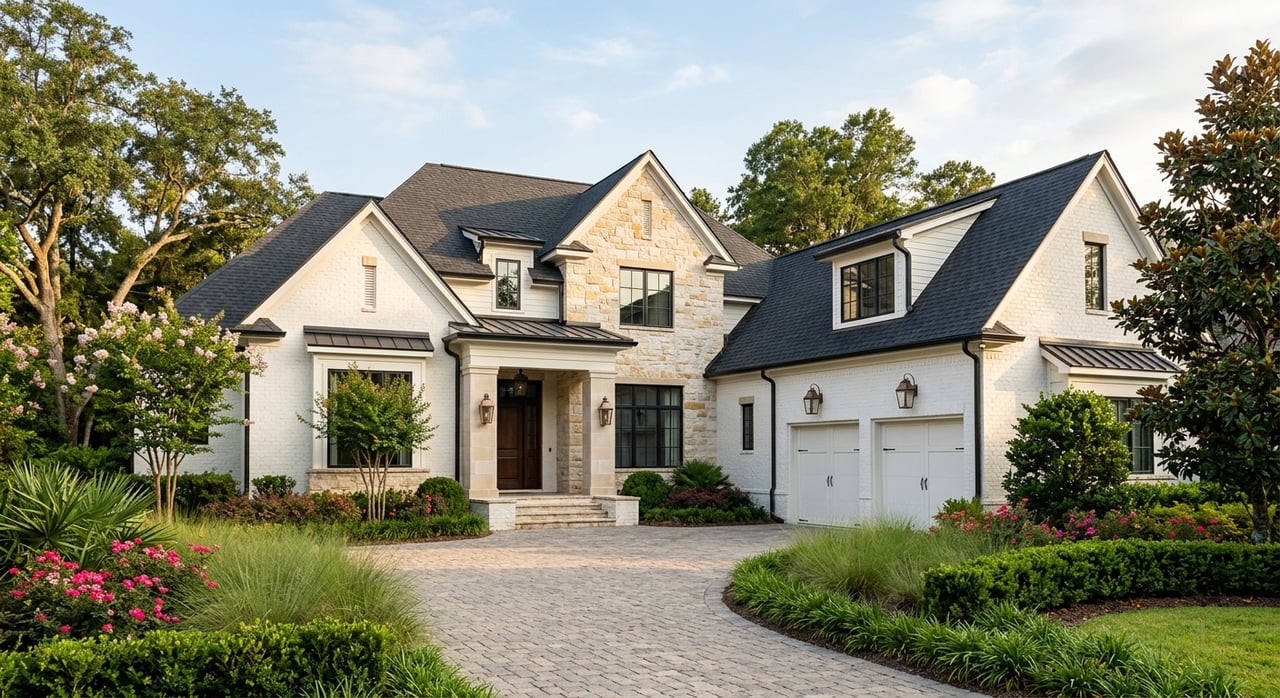
If you have been thinking about buying your first rental home in Houston, you are not alone. Many first-time investors want steady income and long-term wealth, but the numbers, neighborhoods, and local rules can feel overwhelming at first. The good news is that you do not need to know everything on day one. You just need a smart starting framework that helps you compare options with confidence. Let’s dive in.
Why Houston Can Be a Good Starting Point
Houston gives first-time rental investors a market with real options. According to HAR’s April 2026 metro update, the Houston area had 8,196 single-family sales, a median price of $332,000, 36,572 active listings, and a 4.9-month supply. That kind of inventory can give you more room to compare properties carefully instead of feeling forced into a rushed decision.
The rental side also shows steady activity. HAR reported 4,335 single-family leased listings in April 2026, with an average lease price of $2,274. New single-family rental listings rose to 6,158, and days on market increased to 47, which suggests renters have choices and investors need to price and position homes carefully.
For a beginner, detached single-family homes and townhome or condo properties are often the most practical place to start. HAR tracks both sales and rental data for these property types, which makes it easier to screen deals using local numbers. That does not make them the only option, but it does make them easier to analyze when you are learning.
Start With Simple Rental Math
Before you fall in love with a property, run a quick screening calculation. A useful first step is gross rent yield, which is annual rent divided by purchase price. It is not true cash flow, but it can help you decide whether a property deserves a closer look.
Using HAR’s April 2026 Houston city trend data, the median sale price was $330,000 and the median rent was $1,950. That works out to a rough gross yield of about 7.1%. Using the average rent of $2,176 against the same sale price gives a rough gross yield of about 7.9%.
That sounds helpful, but you should treat it as a screen, not a final answer. Your actual bottom line still depends on property taxes, insurance, HOA dues, vacancy, repairs, and management costs. In Houston, those local costs can change the deal fast.
Know What Gross Yield Misses
A property can look solid on paper and still disappoint in real life. Harris County Appraisal District explains that property taxes are based on appraised value and tax rates set by local taxing units. A property may be taxed by the county, city, school district, and special districts, so two similar homes can carry very different tax bills depending on location.
That matters even more for first-time investors because you should not underwrite a rental as if it will receive a residence homestead exemption. The Texas Comptroller states that a residence homestead exemption requires the owner to use the property as a principal residence. In plain terms, your rental math needs to reflect investor ownership, not owner-occupant assumptions.
Compare Houston-Area Entry Points
Not every Houston-area market fits the same investment goal. Some areas may look better for monthly cash flow, while others may require more capital upfront. A smart first step is to compare price and rent trends side by side.
| Area | Median Sale Price | Median Rent | Rough Gross Yield |
|---|---|---|---|
| Houston | $330,000 | $1,950 | 7.1% |
| Katy | $284,500 | $2,175 | 9.2% |
| Cypress | $412,000 | $2,400 | 7.0% |
| Sugar Land | $523,000 | $2,225 | 5.1% |
These figures are based on HAR April 2026 city-level trend pages and are best used as a quick comparison tool. They are not cap rates, and they do not include expenses. Still, they can help you narrow your search before you spend time on deeper due diligence.
Houston Proper for Flexible Entry
Houston proper offers one of the more approachable entry prices in current HAR data. If you want to keep acquisition costs lower while learning the basics of rental ownership, Houston can be a practical place to begin.
The trade-off is that older housing stock may bring more maintenance exposure. As you compare homes, pay close attention to roof age, HVAC age, foundation history, and signs of deferred maintenance. Those issues can affect your cash flow more than a slightly lower purchase price helps it.
Katy for Stronger Rent-to-Price Screening
Katy often stands out for first-time investors who want suburban demand with a stronger rent-to-price relationship. HAR’s April 2026 city-level data showed a median sale price of $284,500 and a median rent of $2,175, which creates a rough gross yield of about 9.2%.
HAR’s Katy-North market-area update also showed 4.4 months of inventory, 43.2 days on market, and a median sold price of $302,612. That mix points to a market where you may have time to compare listings carefully. For a first deal, that breathing room can be valuable.
Cypress for Micro-Market Analysis
Cypress can work, but it is not a one-number market. HAR’s city-level trend page showed a median sale price of $412,000 and median rent of $2,400, while the 1960/Cypress market-area update showed a median sold price of $303,885, with 3.2 months of inventory and 38.9 days on market.
That gap is a reminder that Cypress should be studied at the neighborhood level. One section may look very different from another in price, inventory, and rental potential. If you are shopping there, use narrow comps and do not assume all Cypress properties perform the same way.
Missouri City for a Middle Ground
Missouri City can serve as a useful middle-ground option if you want suburban demand without stretching as high as Sugar Land pricing. HAR’s Missouri City Area update for May 2026 showed 4.6 months of inventory, 45.9 days on market, and a median sold price of $308,122.
For many investors, that makes Missouri City worth watching as a comparison market. It may offer a balance between price point and suburban location, especially if you are trying to stay flexible while learning your investment criteria.
Sugar Land for Higher Capital Buyers
Sugar Land is the most capital-intensive option in this group. HAR’s April 2026 city-level data showed a median sale price of $523,000 and a median rent of $2,225, which creates a rough gross yield of about 5.1%.
That does not make Sugar Land a bad market. It simply means it may fit better if your goal is a higher-end suburban asset and you are less focused on maximizing starting cash flow. For a first-time investor watching monthly numbers closely, it may feel tighter.
Verify These Costs Before You Make an Offer
Once a property passes your first screening, it is time to verify the local costs that can make or break the deal. In the Houston area, a few items deserve special attention.
Property Taxes
Property taxes are one of the biggest underwriting variables in Harris County. HCAD notes that taxes are based on appraised value and tax rates adopted by local taxing units, and that properties may be taxed by multiple entities.
That means you should check the actual tax structure for the specific property, not just estimate from a general percentage. A neighborhood with extra district taxes can change your monthly cash flow quickly.
Flood Risk and Insurance
Flood risk is a major Houston-specific issue. FEMA’s Flood Map Service Center is the official source for flood-hazard information used in the National Flood Insurance Program, and FEMA also states that homeowners insurance does not cover flood damage.
Before you buy, check the official flood map and request insurance quotes. This step matters even more if the home is near bayous, drainage corridors, or low-lying land. A property that looks affordable at first can become much less attractive once insurance costs are added.
HOA Rules
If the property is in a community with an HOA, review the restrictions before you move forward. HOA dues affect your monthly expenses, and community rules may shape what you can do with the property as a landlord.
Do not assume every neighborhood allows the same leasing setup. Confirm the dues, any rental-related rules, and whether those costs still leave enough room in your numbers.
If the Home Has a Tenant Already
A tenant-occupied property can save you the work of finding a renter right away, but it also adds another layer of due diligence. Texas Property Code says a landlord must refund a security deposit on or before the 30th day after the tenant surrenders the property, may not keep it for normal wear and tear, and the new owner becomes responsible for the deposit when title transfers.
That means you should verify the current lease, deposit amount, and any transfer paperwork before closing. Those records are not minor details. They directly affect your responsibilities as the new owner.
Texas law also requires at least three days’ written notice to vacate before a forcible detainer suit in most cases unless the lease says otherwise. Repair remedies and privacy rules also depend heavily on the lease and proper written notice. For that reason, good records matter from day one.
A Smart First-Rental Framework
If you want to keep your first investment decision simple, follow a clear order. Start broad, then get more specific as the property proves itself.
- Choose the submarket that fits your budget and goals.
- Screen the property using rough rent-to-price math.
- Verify actual property taxes and insurance costs.
- Check flood exposure and HOA restrictions.
- Review condition issues like roof, HVAC, foundation, and deferred maintenance.
- If tenant-occupied, confirm lease terms, deposits, and transfer documents.
- Decide whether the deal still works without overly optimistic assumptions.
This step-by-step process can help you avoid one of the biggest beginner mistakes: forcing a deal to work on paper. If the property only makes sense with unrealistically low repairs or aggressive rent growth, it is probably not the right first rental.
Why Local Guidance Matters
Starting in Houston rental homes is not just about finding a house with a tenant or a decent list price. It is about understanding how local taxes, flood risk, neighborhood differences, and lease details shape your results.
That is where a people-first, education-led approach can make a real difference. When you have clear guidance, you can ask better questions, compare properties more carefully, and make decisions that fit your goals instead of chasing hype.
If you are thinking about your first Houston-area rental property and want practical help sorting through neighborhoods, numbers, and next steps, Pamela Kinney can help you move forward with clarity.
FAQs
What is a good first rental property type in Houston?
- For many beginners, detached single-family homes and townhome or condo properties are practical starting points because HAR tracks both sales and rental data for those categories, making them easier to screen.
How do you estimate rental yield for a Houston investment home?
- A simple first pass is annual rent divided by purchase price. It is only a screening tool because it does not include property taxes, insurance, HOA dues, vacancy, repairs, or management costs.
Which Houston-area market looks strongest for beginner rental cash flow?
- Based on HAR April 2026 city-level trend data in this report, Katy showed the strongest rough gross yield among the areas compared, but every property still needs deal-by-deal analysis.
Why are property taxes so important for Houston rental investing?
- Harris County property taxes can vary significantly by location because tax bills depend on appraised value and the tax rates set by local taxing units, including special districts in some areas.
What should you check before buying a rental home in a Houston flood-prone area?
- You should review the official flood map and get insurance quotes before making a final decision, because standard homeowners insurance does not cover flood damage.
What should you verify when buying a tenant-occupied rental in Texas?
- You should confirm the current lease, the security deposit amount, and any transfer paperwork, because the new owner becomes responsible for the tenant’s deposit after title transfers.